Summer Retreat Schedule
August 10-13, 2026 | The Prindle Institute for Ethics | Greencastle, IN
-
9:00AM: Shuttle leaves for the Prindle Institute, Lobby, The Inn at DePauw
9:30AM: Breakfast, Great Room
10:00AM: Welcome and Introductions, Prindle Auditorium
10:30AM: What Is Civil Disagreement?, Prindle Auditorium
10:30AM - 12:30PM: Senior Fellows Only: Opening and Closing Dialogues and Conversational Threads, Wood Library
11:15AM: Establishing Norms, Great Room
11:30AM: Orienting Conversation Around Curiosity and Dialogic Questions, Great Room
12:30PM: Break
12:45PM: Lunch and Dialogue, Great Room
2:15PM: Debriefing a Dialogue, Great Room
2:45PM: Break
3:00PM: Civic Self Portraits, Assigned rooms
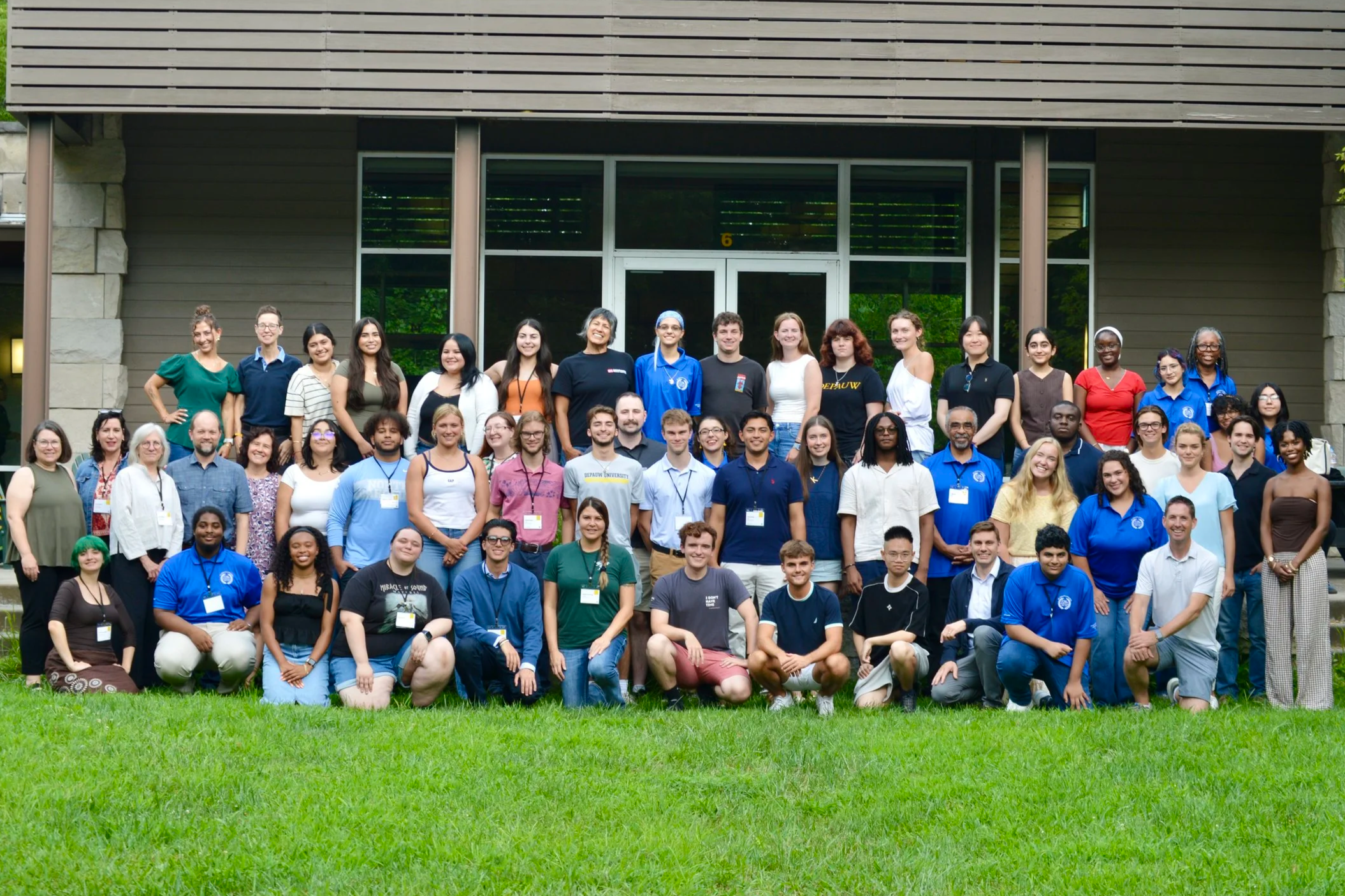
5:00PM: Photoshoot, Prindle Courtyard
5:30PM: Dinner and Dialogue, Great Room
7:30PM: Shuttle returns to the Inn, Upper Lot
8:00PM: Senior Fellows and Institutional Leaders' Meeting, The Inn at DePauw
-
8:30AM: Shuttle leaves for the Prindle Institute, Lobby, The Inn at DePauw
9:00AM: Breakfast, Great Room
9:30AM: Nature Park Hike or Conversations, DePauw Nature Park, Reflection Center
11:00AM: Asking Better Questions, Prindle Auditorium
12:30PM: Lunch and Dialogue, Great Room
2:00PM: Break
2:15PM: Uncommon Ground, Great Room
4:15PM: Break
4:30PM: 1:1 Conversations, Various
4:30PM: Senior Fellows Only: Debrief and Check-In, Reflection Center
5:30PM: Dinner and Dialogue, Great Room
7:30PM: Shuttle returns to the Inn, Upper Lot
8:00PM: Senior Fellows and Institutional Leaders' Meeting, The Inn at DePauw
-
8:30AM: Shuttle leaves for the Prindle Institute, Lobby, The Inn at DePauw
9:00AM: Breakfast, Great Room
9:30AM: Values Exploration, Great Room
10:30AM: Dialogue Scenarios, Various
10:30AM: Senior Fellows Only: Prep Session, Prindle Auditorium
12:00PM: Break
12:30PM: Lunch and Dialogue Rotations, Great Room
3:30PM: Break
3:45PM: Senior Fellow Skit and Debrief, Prindle Auditorium
4:30PM: Bringing Our Work to Our Campus, Various
5:15PM: Shuttle returns to the Inn, Upper Lot
6:00PM: Walk to Bridges for Closing Dinner, Lobby, The Inn at DePauw
8:30PM: Senior Fellows and Institutional Leaders' Meeting, The Inn at DePauw
Resources
Program Guide
This program guide lays out the ICDP's approach to civil disagreement, dialogue, and stewardship, and walks through the four-phase fellowship arc that carries students from participation through facilitation, stewardship, and reflection over the course of the year.
Opening & Closing Dialogues
This provides suggestions for facilitators or others who are convening a dialogue about how to open and close the discussion for the participants.
Dialogic Questions Toolkit
Dialogic questions work like peeling an onion. They invite speakers to expand on their perspectives and show the layered complexity of their ideas. They also represent the listener as actively engaged in the content of what the speaker
Debriefing a Dialogue
An important part of fostering better dialogue is intentionally reflecting on the conversations we have. This resource provides information about debriefs and provides a framework for conducting a debrief session.
Disagreement Index
This tool helps participants and facilitators gauge the level of disagreement in a discussion or dialogue and provides recommendations about interventions appropriate to different levels of disagreement.
Feedback Form
The Feedback Framework is designed primarily as a coaching tool that helps observers provide concrete and actionable feedback on how students engage in dialogue. Rather than relying on general impressions, it offers a shared vocabulary and a consistent set of observable behaviors, making feedback more objective and useful for growth.. In the ICDP, students may conduct debriefs, but only faculty/staff provide feedback.
Facilitator Interventions
This resource for facilitators provides recommendations for interventions based on an assessment of how a facilitated discussion is progressing.
Conversational Norms
This is a suggested list of conversational norms to help establish ground rules for a discussion. Ideally, participants tailor these to their particular situation so that all participants endorse the norms.